Farming & Agricultural
Tips For Farmers to Make Their Cash Flows Last Longer
December 4, 2025
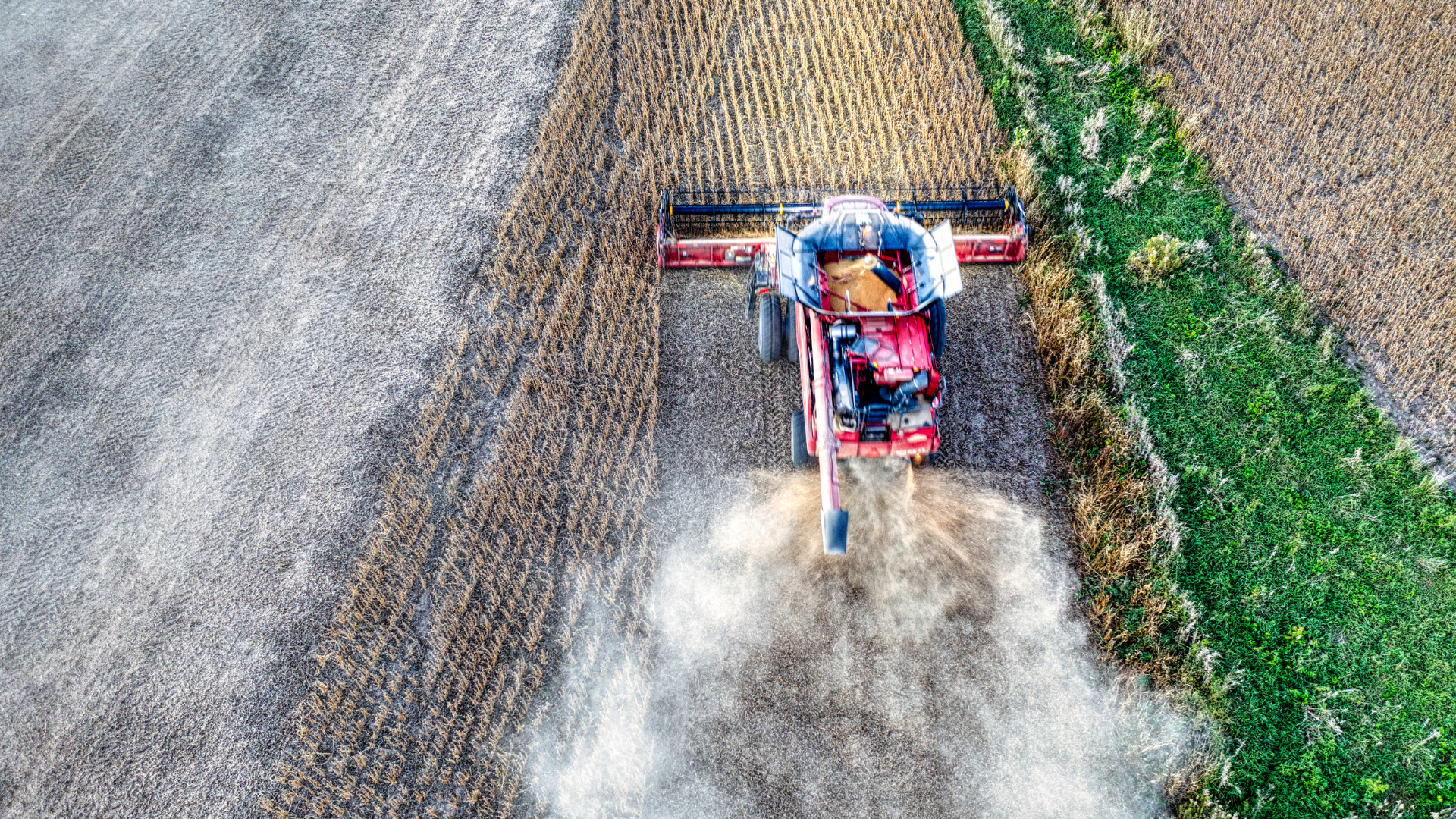
Of all occupations, farming is the most vulnerable to both natural and man-made environments. The constantly changing climatic and geopolitical conditions worldwide affect the farming industry. Therefore, even with your best efforts, there do come times when your cash flow takes a hit. What’s worse is that if the cause is natural, there’s no saying when it will really end, prolonging your cash flow crisis indefinitely.
To address unforeseen but possible situations, farmers need a contingency plan that can handle short-term cash flow crunches and support long-term growth.
But how does one even begin with such vital planning?
How to Stretch Cash Flows in The Short Term
When a cash flow problem arises, the first step is to secure short-term cash to survive the downturn. Here are a few tips to help you stretch your existing cash flow to its optimal level, buying you time to make arrangements for additional financial support.
There are three main ways to begin firefighting the cash flow crisis of a farm business:
Earn: Look for Ways to Make More Money
Any cash reserves you must have collected during the good seasons, or over the years in the form of savings or other financial assets, can now be put to use to help manage your struggling cash flow. Utilize cash surpluses you’ve built up from previous years. You can also get help from your family members by asking them to take up jobs that can help financially and cover your healthcare and insurance expenses.
You can also use your farm equipment and labour to do side jobs, such as helping others with repair work, hauling hay and grain, moving furniture, and more. This will keep money trickling in and lend support to your cash flow.
On the other hand, you can also reduce your expenses by putting the brakes on any non-essential purchases or investments. If you need machinery, leasing it at a cheaper rate or refurbishing old equipment is a cost-effective option. For cash farm leases, consider pushing for a flexible cash rent payment method or a crop-share arrangement to reduce immediate payments.
Borrow: Credit Can Be Friendly Too
If, despite your best efforts to earn and save, you still need more funds, seeking credit through a revolving credit facility or unused borrowing capacity isn’t a bad idea. Any short-term debts can be refinanced into long-term loans with a longer repayment tenure by using assets like land or machinery as security. This will reduce your immediate financial burden, and, as your situation improves, you can repay the debt in full later.
You can also avail of the Farm Service Agency (FSA) guaranteed loan program, which can provide low-interest marketing loans on stored grain for up to nine months and help secure better repayment terms and interest rates.
Sell: Make Money with Assets that You Don’t Need
Carefully analyze which assets you really need and which are comparatively unnecessary or underutilized. Carefully consider whether such underutilized assets can be sold at a reasonable price to generate cash and boost your cash flow. However, before selling any assets, do consult your accountant to understand any tax implications such a sale might entail.
The Earn, Borrow, and Sell strategy, though great for alleviating your immediate cash flow woes, cannot serve as an alternative to proper risk management planning and cash flow budgeting. You can’t keep firefighting for the long term. And even though any amount of planning cannot prevent a financial contingency, a carefully constructed cash flow budget can prepare you to handle it efficiently.
Need for Cash Flow Budgeting
The cash flow budget is a detailed blueprint for managing the inflows and outflows of cash for your farming business. Not only does it help plan farm operations for smoother execution, but it also gives you a fair idea of your borrowing and investment needs, which can then be communicated effectively to existing and potential lenders. It also gives you a heads-up on the current status of your cash reserves, helping you make a mental note of how to manage your cash flow during periods of low profitability or a bad farming season.
Ways to Increase Operating Cash Flow in the Long Term
Increase Production: Every businessc has a common motive – increasing profits and expanding. Scale gives you financial flexibility and better negotiation leverage. You can focus on increasing production and revenue – and thus, your cash flow – by acquiring or leasing more land at a reasonable price. Using higher-quality seeds, better cattle feed, and accurately timing your farming activities can boost the efficiency and effectiveness of your business. Better marketing can help fetch higher rates for your produce, increasing your profitability.
Diversify Income Sources: Another useful way to increase your cash flow is to diversify your income beyond farming. Your farm actually offers many opportunities for you to make more money out of it without compromising on the cultivation part. For instance, agritourism is on the rise, with people happily paying to experience farm life. During the off-season, you can also use the farm for cattle breeding or as a leisure retreat with a bed and breakfast. Even your farming assets can be used for other activities when not farming.
Cut Costs: Consider balancing income growth with cutting costs wherever possible to boost profitability and cash flow. You can collaborate with other farmers in your community to buy manure, fertilizers, and cattle feed in bulk, thereby reducing everyone’s input costs. Similarly, sharing labour and machinery can play a significant role in effectively cutting costs. You can also reduce labour costs and improve productivity by automating specific routine tasks.
Using Farm Assets for Personal Use: Ensure you do not use the farm’s finances for personal or family needs. Buying gas for your farm vehicle is fine, but using your business funds to buy gas for your own personal vehicle isn’t. Desist from rewarding bonuses or raises to family members involved in farming without reason. Entertaining family guests or allowing unrestricted use of rooms that are otherwise given to tourists for off-season business can eat into your cash reserves and create problems in times of need.
While these tips might seem easy to put into practice, it takes skill and expertise to outline an effective plan for dealing with an unforeseen event.
Contact KSSP Partners LLP in Durham Region to Help You with Cash Flow Budgeting
An expert accountant with in-depth knowledge of the farming business can be your biggest ally in detailing out a cash flow budget and contingency plan that works best specifically for your farm. To learn more about how KSSP Partners LLP can provide you with the best accounting and bookkeeping expertise, contact us online, or by telephone at 289-554-5997.